M01vs. the previous build, measured on the same acquisition cohort
+47%
D7 retention

The brief was the kind of consumer application whose entire economic model depends on the second session — if the user does not come back the next day, the rest of the funnel does not matter.
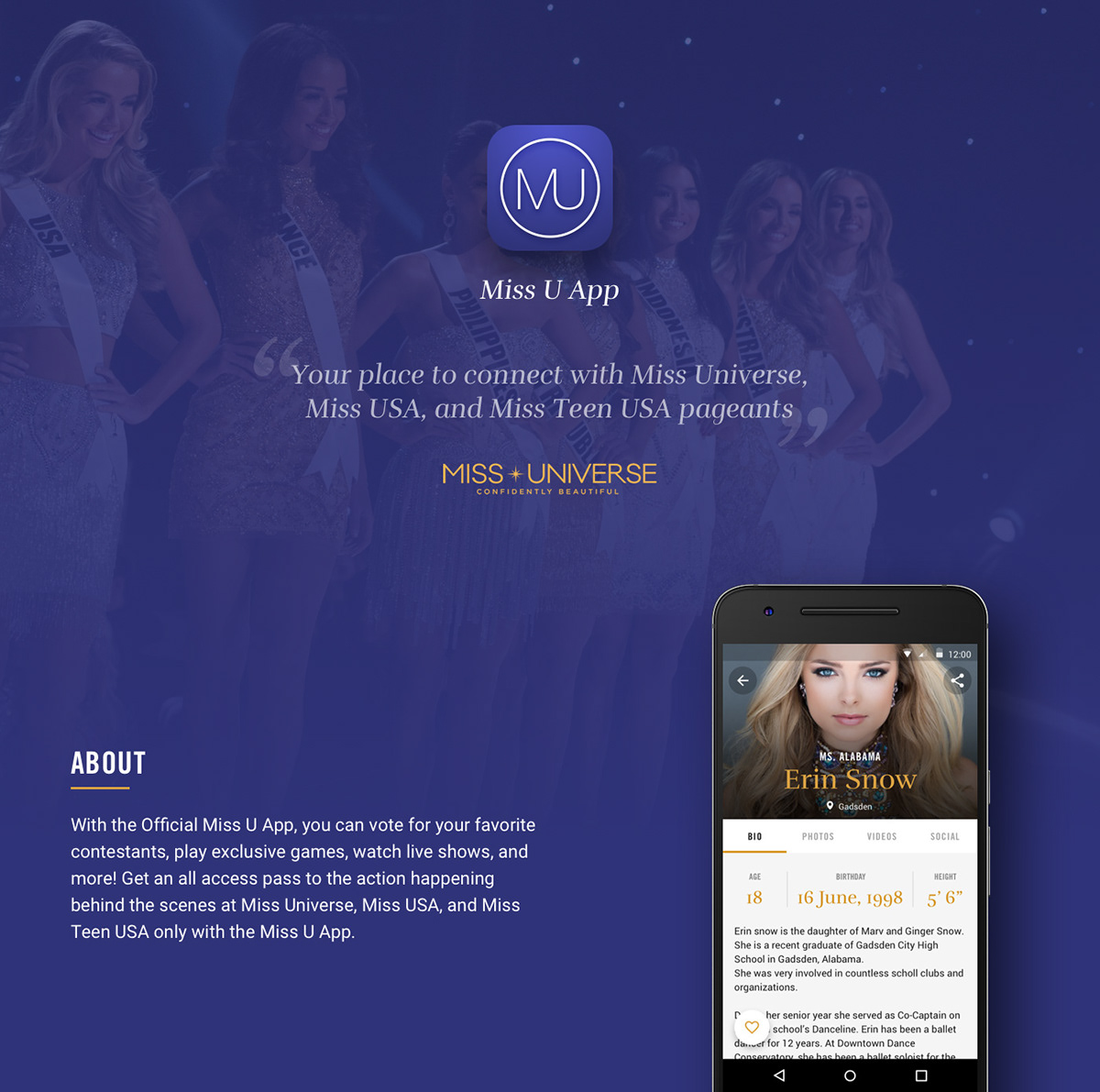
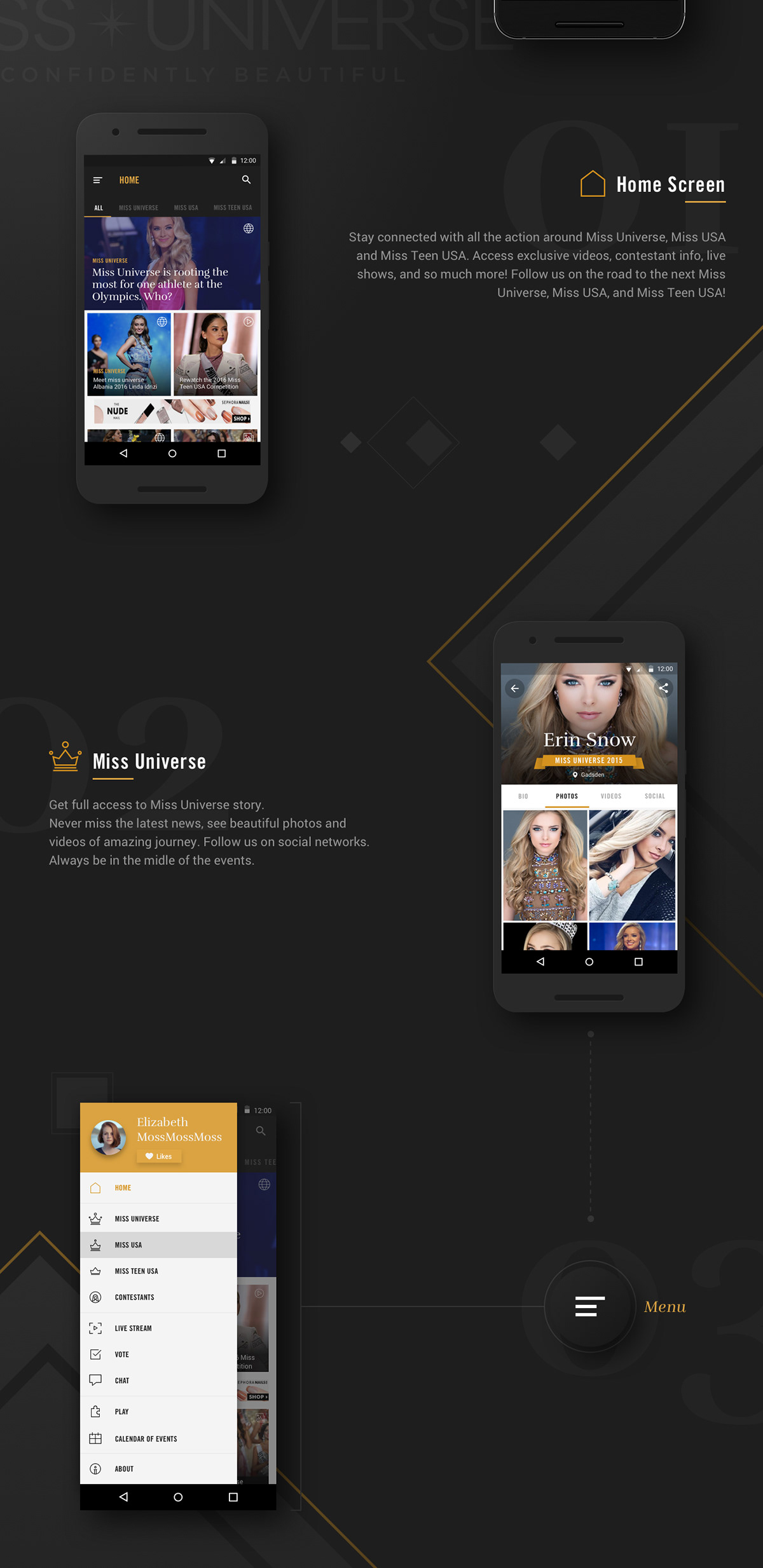
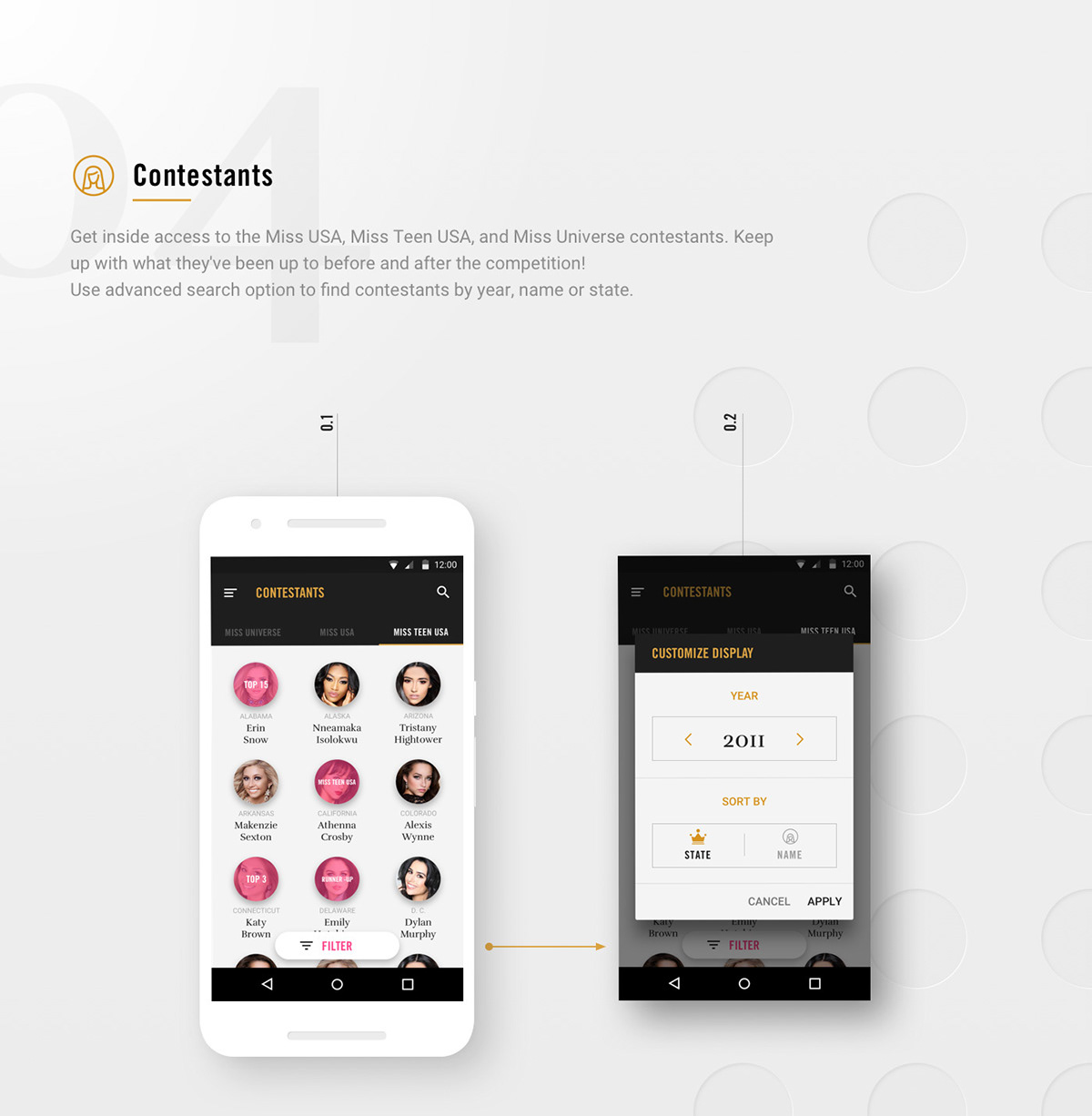
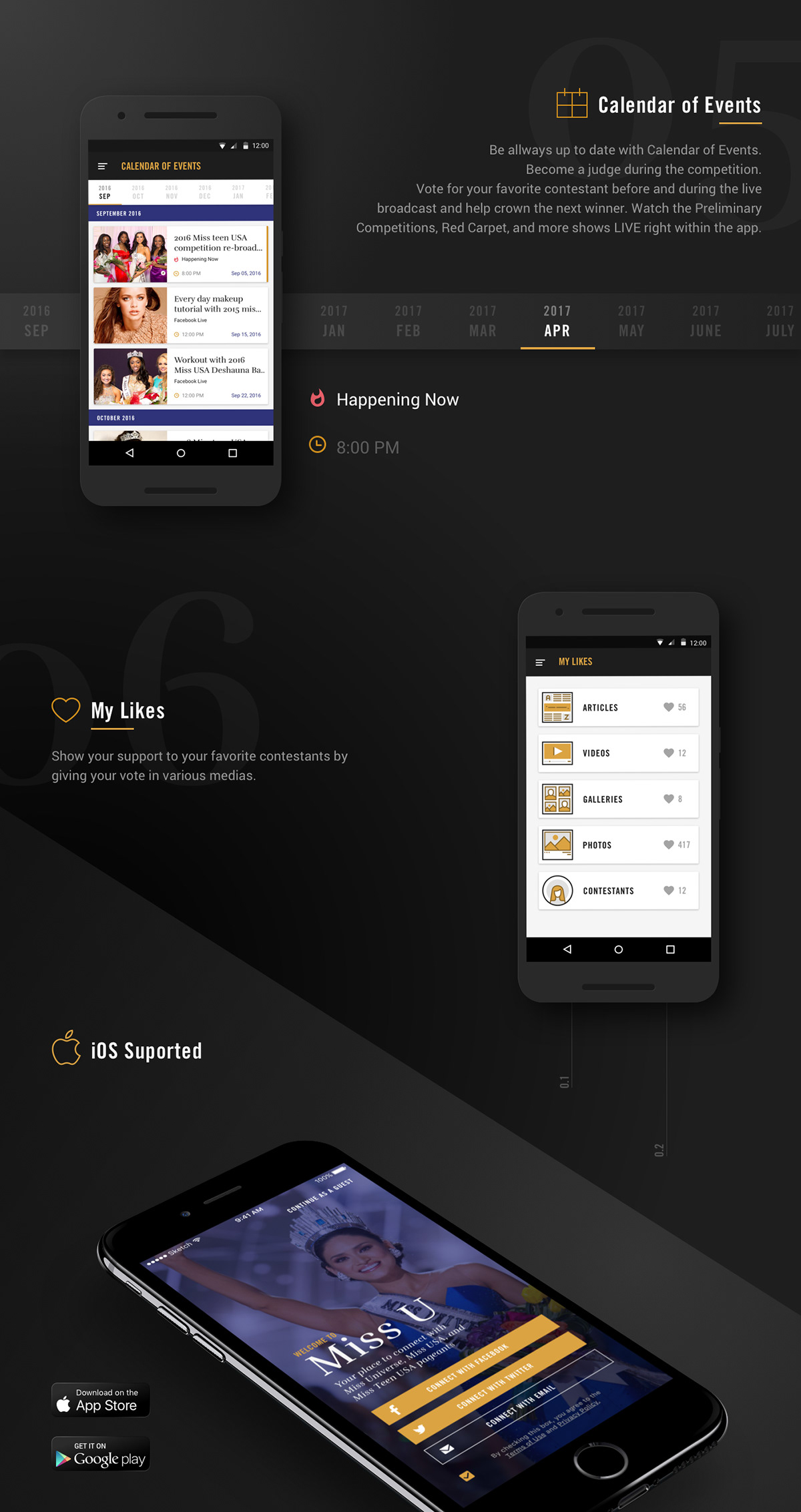
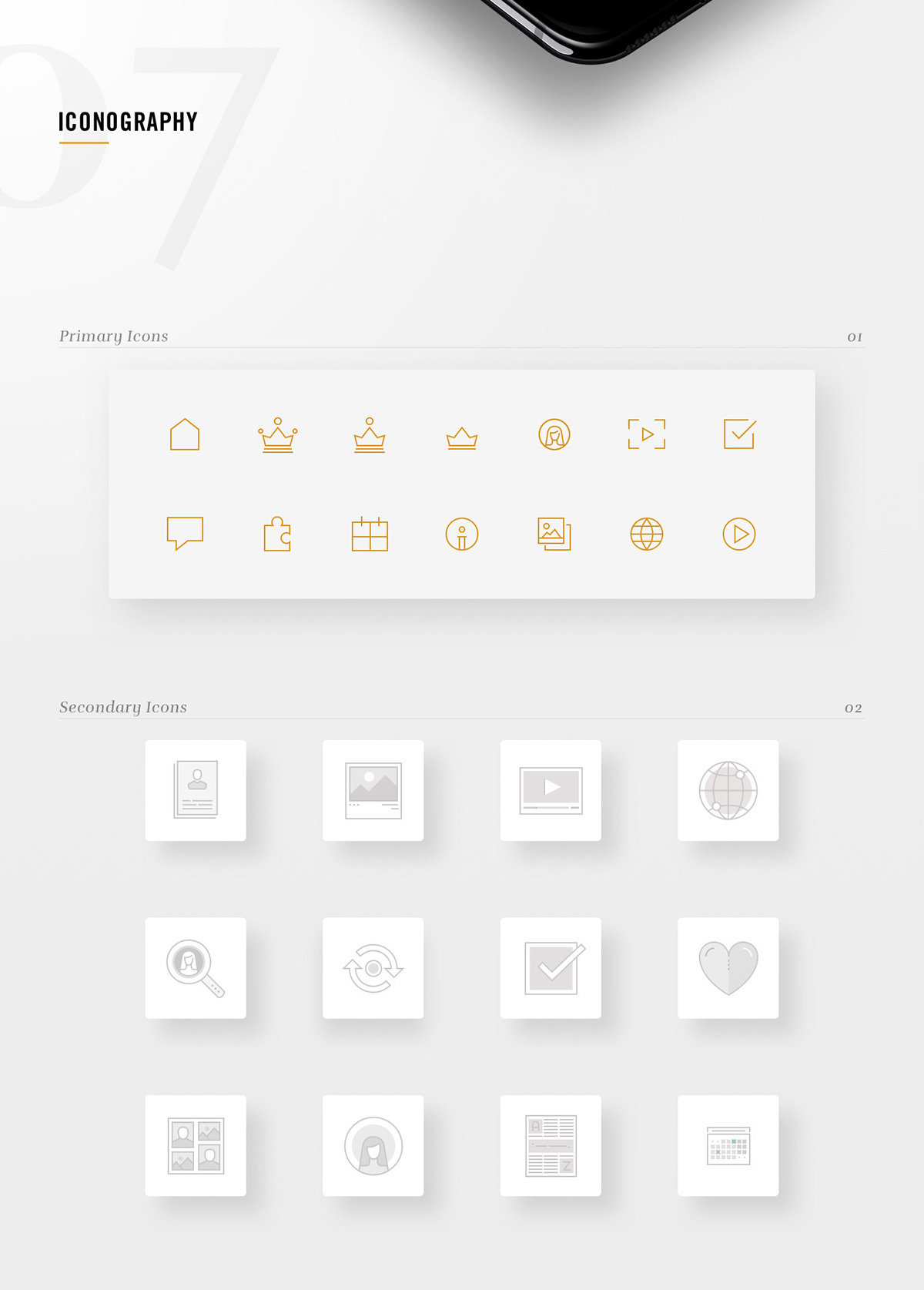
We rebuilt the app around the surfaces that determined whether the second session would happen: a home screen that recovered context in two seconds, a notification model that earned its right to interrupt, and a tone of voice that did not feel like a brand pretending to be a friend. The result is a build that the team measures cohort-by-cohort, with a D7 retention figure materially better than the previous version's. The brand and the product UI are operated as a single system rather than two adjacent ones.
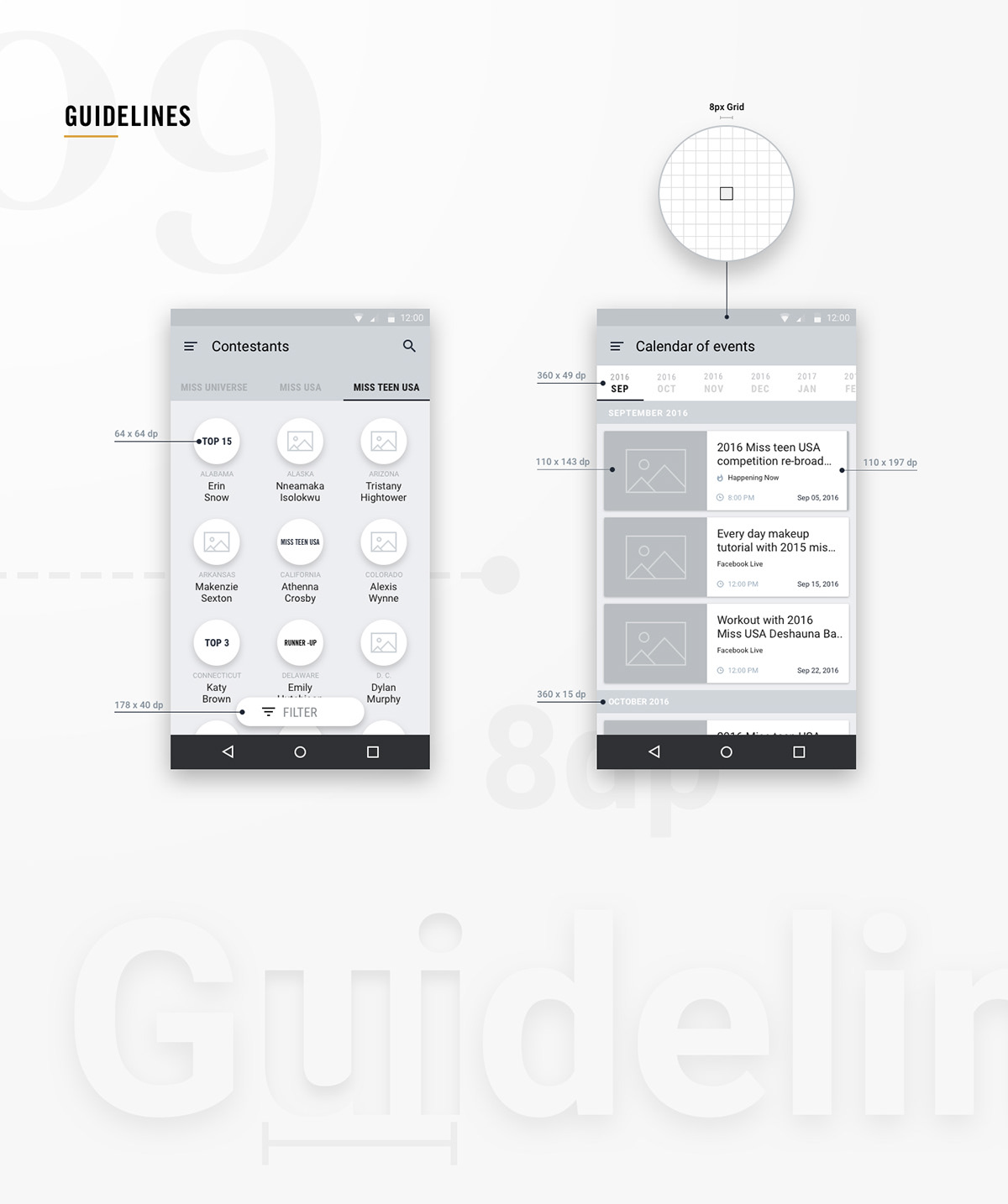
Every surface that did not affect whether the user came back the next day was treated as secondary. Onboarding, the home screen, and the notification model received disproportionate care.
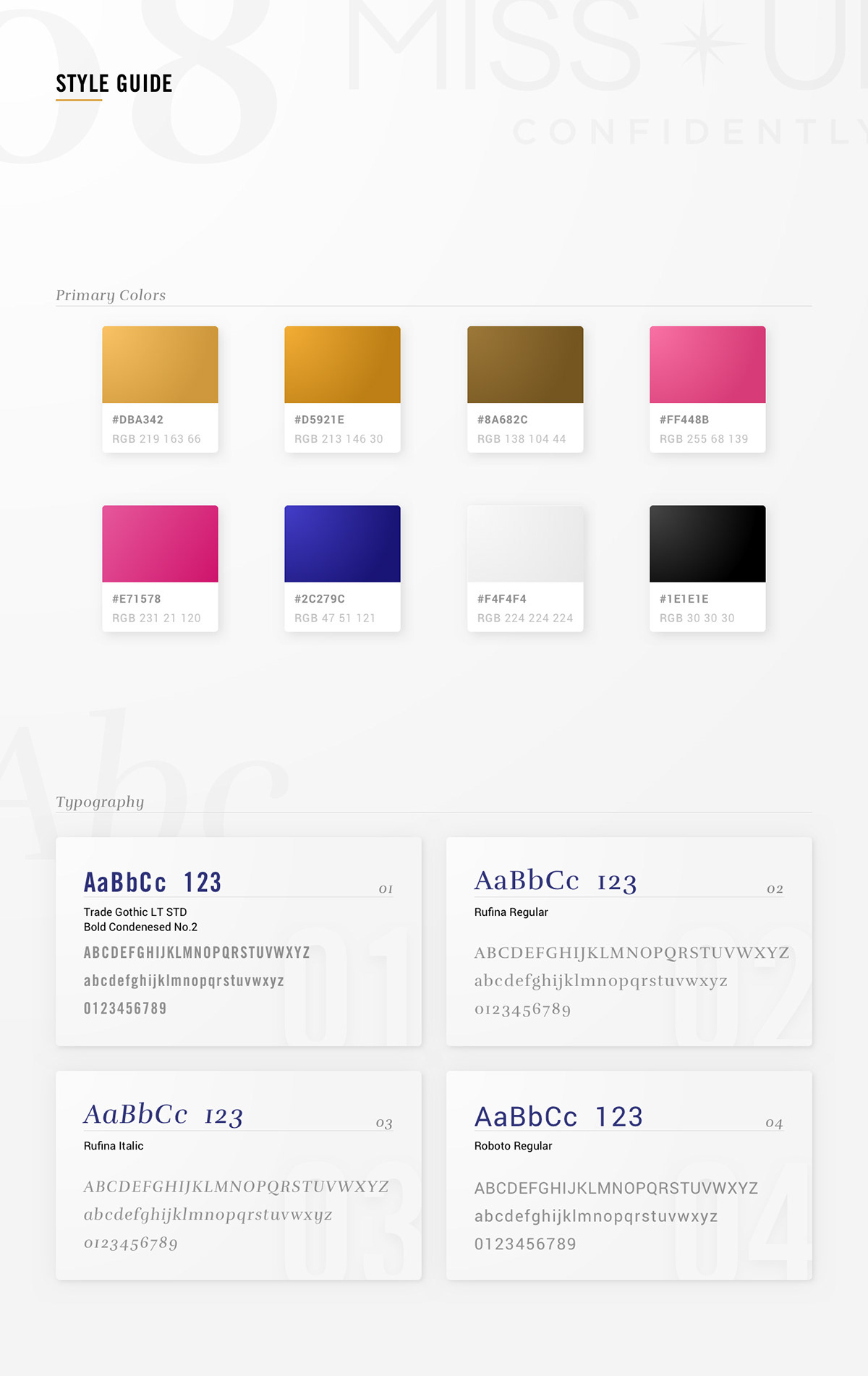
The brand and product UI share primitives, voice, and motion grammar. There is no seam where one ends and the other begins.
D7 retention
Cohesive system
Loading-state hacks
Send a short brief — we'll reply with concrete next steps. New engagements are limited each quarter.